The Collection Sharing Project
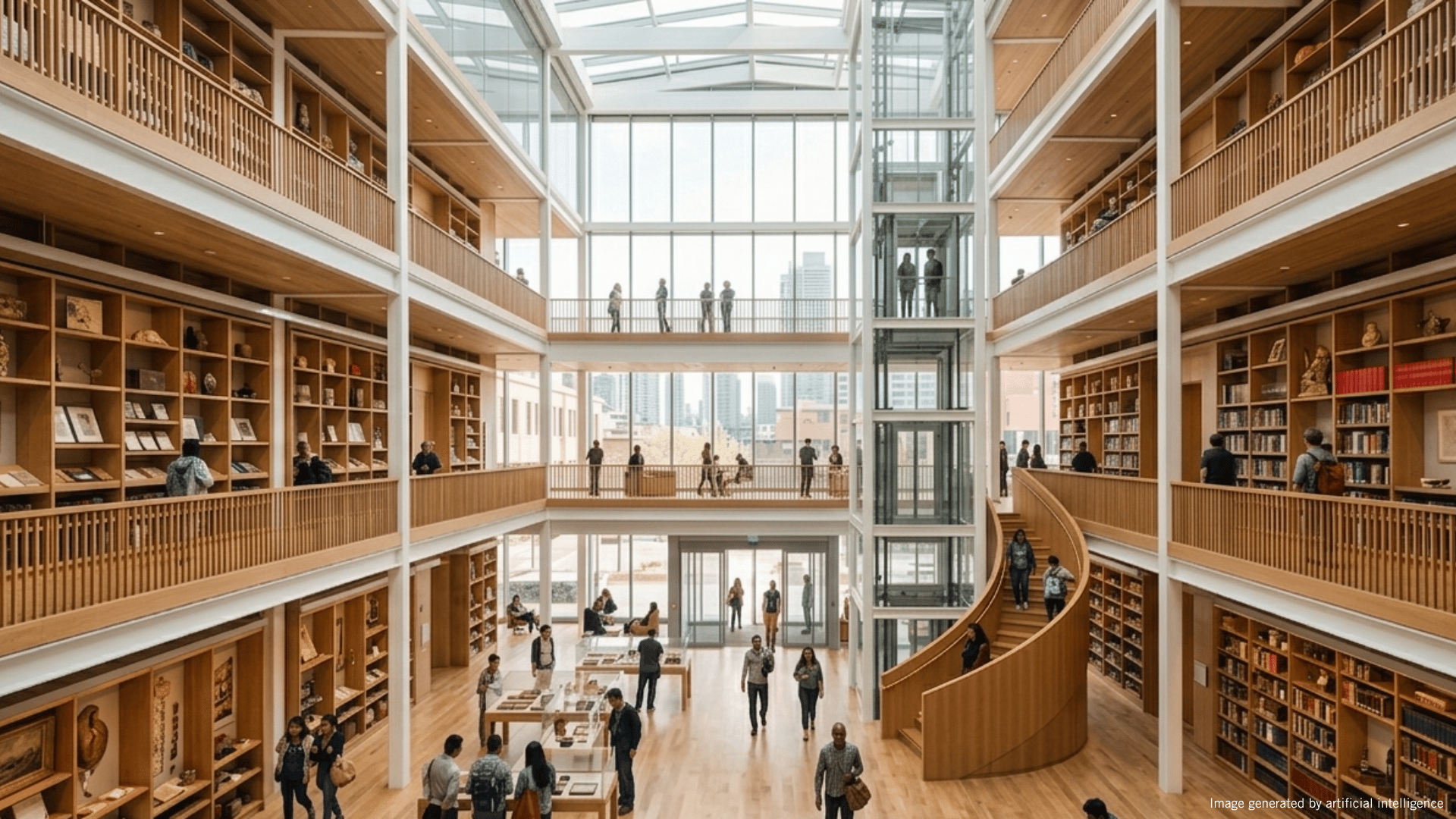
Table of Contents
The Collection Sharing Project: Unlocking the Hidden Potential of Museum Storage proposes leveraging advances in information science, including AI, to support a global digital platform through which museums can share collections—transforming their massive dormant holdings in storage into a fluid network of shared knowledge, unlocking their immense cultural, educational, and research potential.
Knowledge Mobilization Initiative
Latest Update
July 9, 2026 – Knowledge Mobilization Hybrid Meeting
Venue Address: École Hassania Des Travaux Publics (EHTP), Casablanca, Morocco
This one-day consortium-building hybrid meeting in Casablanca brought together senior leaders and key stakeholders from museums, cultural heritage institutions, academia, and industry across the Global North and Global South, convening complementary expertise across museum practice, cultural policy, information science, AI, and digital infrastructure.
The primary purpose of this initial gathering was to build trust among future partners and to align participants around the shared project direction. This was achieved by:
- Preparing an agreed statement of project intent
- Identifying and sharing opportunities for collaboration
- Defining key social, ethical, and technical challenges
- Formulating the research design
- Addressing governance, partnership, and financial requirements

Meeting Agenda
We welcome both in-person and virtual participation.
| Time | Event |
| 2:00 – 2:05 PM WEST | 9:00 – 9:05 AM EST | Welcome and Opening Remarks |
| 2:05 – 2:30 PM WEST | 9:05 – 9:30 AM EST | Initiative Goals and Objectives |
| 2:30 – 2:45 PM WEST | 9:30 – 9:45 AM EST | Presentation of the Research Approach |
| 2:45 – 3:45 PM WEST | 9:45 – 10:45 AM EST | What: Museum Collections at an Inflection Point |
| 3:45 – 4:00 PM WEST | 10:45 – 11:00 AM EST | Coffee Break |
| 4:00 – 5:00 PM WEST | 11:00 – 12:00 PM EST | Why: The Value of Developing a Global Collection Sharing Process |
| 5:00 – 5:45 PM WEST | 12:00 – 12:45 PM EST | How: Reimagining Museum Storage as a Networked Global Cultural Infrastructure |
| 5:45 – 6:00 PM WEST | 12:45 – 1:00 PM EST | Coffee Break |
| 6:00 – 7:00 PM WEST | 1:00 – 2:00 PM EST | Collaborative Brainstorming, Future Directions, and Synthesis |
| 7:00 – 8:00 PM WEST | 2:00 – 3:00 PM EST | Dinner at a nearby restaurant |
Speakers & Participants
| Speaker/Participant | Affiliation |
| Ali Hossaini | SOAS University of London Professor |
| Ana Serrano | OCAD University President and Vice-Chancellor |
| Anjani Kumar Singh | Bihar Museum Director General |
| Charalampos Chaitas | Culture, Heritage & Territorial Development Senior Advisor |
| Claudia Jericho | Society for Artistic Research (SAR) / u-institut |
| Ech-Cherki Dahmali | International Council of Museums (ICOM) Member of the Executive Board |
| Elisa Bailey | Lord Cultural Resources Senior Consultant |
| Eveline Kuchmak | TheiaMuse Founder |
| Gail Lord | Lord Cultural Resources Co-Founder |
| Hajar Zoubir | Ministry of Equipment and Water, Morocco École Hassania des Travaux Publics (EHTP) Alumna |
| Hanae Lrhoul | Creative Commons Morocco Professor, School of Information Sciences (ESI) |
| Hassane Jarar Oulidi | École Hassania des Travaux Publics (EHTP) Professor |
| Hélène Vassal | Musée du Louvre Head of Collections Management |
| Ivone Fachada | Ciencia Viva, National Agency for Scientific and Technological Culture Board of Directors |
| Jaouad Boutahar | École Hassania des Travaux Publics (EHTP) Director |
| Javed Mostafa | University of Toronto, Faculty of Information Dean and Professor |
| Javier Jimenez | Lord Cultural Resources Managing Partner |
| Jody Steiger | International Council of Museums (ICOM) Executive Member of ICOM |
| Joy Bailey Bryant | Lord Cultural Resources President & Managing Partner |
| Kelly Johnson | Canadian Heritage, Government of Canada Acting Director, Heritage Information |
| Kiprop Lagat | Ministry of Sports, Culture and Heritage, UNESCO Director of Culture |
| Konstantin Akinsha | Andrew Nurnberg Associates (ANA) Independent Art Historian, Curator and Journalist |
| Krittika Kumari | Museum of Art and Photography & Bihar Museum Independent Art Consultant |
| Lisa Walli | Canadian Museum of History Chief Experience Officer and Vice-President, Public Affairs, Advancement, and Digital |
| Majid Kaissar EL GHAIB | Foundation of the Hassan II Mosque of Casablanca Curator |
| Mandara Vishwanath | Museum of Art and Photography, Bangalore, India Head of Collections |
| Maria Amelina | Eastern African Museum of Art (EAMAN), Nairobi, Kenya Founder and Co-Director |
| Menna Heikal | Grand Egyptian Museum-GEM, HILL Senior Exhibition Coordinator |
| Mercy Gakii | Cultural Heritage Department, National Museums of Kenya Senior Research Scientist |
| Mustapha Rguig | École Hassania des Travaux Publics (EHTP) Professor and Head of Civil Engineering Department |
| Ngaire Blankenberg | Institute for Creative Repair/A42 House Founding Director |
| Nikhil Purohit | Faandee Archives Archivist and Art Administrator |
| Olivia Anani | Museum of Contemporary Arts in Cotonou Executive Secretary to the Prefiguration Committee of the Museum of Contemporary Arts in Cotonou (MACC) |
| Rosalia Vargas | Ciencia Viva, National Agency for Scientific and Technological Culture Chairperson of the International Advisory Committee |
| Sarah Rochdi | Foundation of the Hassan II Mosque of Casablanca Head of Information Systems and Digital Transformation |
| Souayibou Varissou | Islamic World Educational, Scientific and Cultural Organization (ICESCO) Expert — Heritage Centre |
| Stephen Borys | Civic Muse Inc. President & CEO |
| Susan van t Slot | Kunst Centrum Haarlem Executive Director |
Initiative Anchors
This meeting is jointly organized and hosted by:
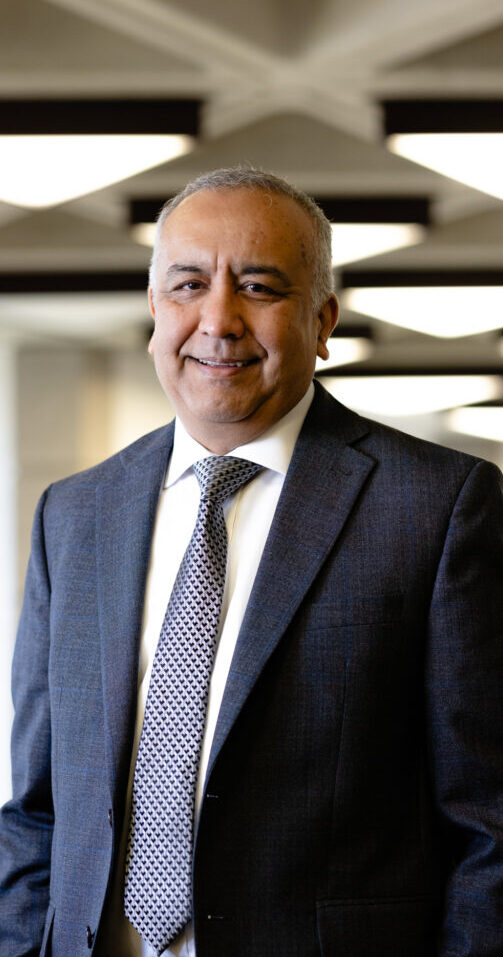
Prof. Javed Mostafa
Dean of the Faculty of Information, University of Toronto, specializes in information systems, digital infrastructures, and data-driven approaches to knowledge organization and access.
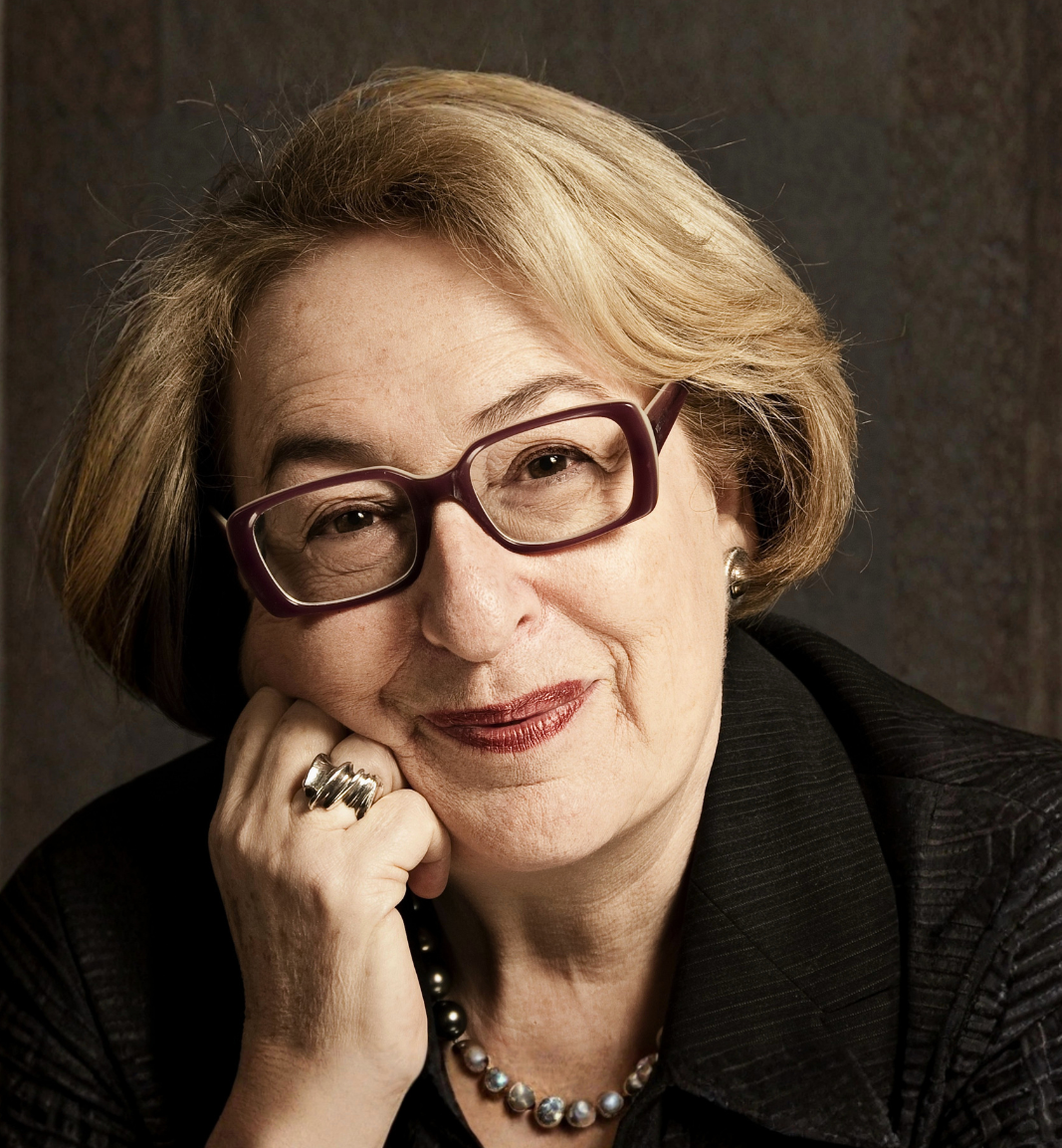
Gail Lord
Co-founder of Lord Cultural Resources and leading expert in museum planning and cultural strategy, with decades of experience in advising museums and cultural institutions worldwide.
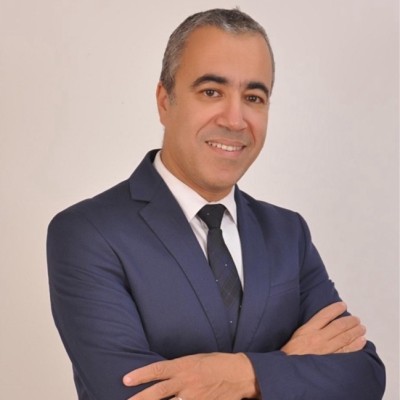
Prof. Jaouad Boutahar
Director of the École Hassania des Travaux Publics (EHTP) in Casablanca, Morocco, he advances engineering education, research, and executive training, strengthening the institution’s role as a national center of excellence.
Project Outline
Museums worldwide are bursting at the seams. An estimated 90% of global museum collections currently sit idle, hidden away in storage. This is not a regional issue, but a systemic global conundrum. While major institutions in the Global North face immense overhead costs managing vast, unseen archives, many prominent museums in the Global South are similarly overflowing with unique archaeological, historical, and material culture that remains geographically isolated. Historically, the default solution has simply been a demand for more physical space. Meanwhile, institutions across both hemispheres are left without access to the diverse artifacts needed to tell truly global stories, reinforcing long-standing inequalities in cultural visibility and knowledge production.
To dismantle these historical silos, our initiative is guided by three core principles:
- Global Flow: Replacing the outdated donor/recipient dichotomy with a model of reciprocal exchange, where each participating institution is simultaneously a contributor and a beneficiary, transforming static, dormant holdings into a fluid network of shared knowledge.
- Democratic Access: Transforming hidden museum artifacts into active, globally accessible assets that fuel curiosity, education, and cross-cultural exchange.
- Technological Optimism: Modeling a positive, constructive, and responsible paradigm for emerging technologies, including AI—positioning them not as a replacement for experiencing the results of human culture, but as tools to expand human knowledge and connectivity.
Advances in information science provide an unprecedented opportunity to rethink collection sharing at a global scale. Rather than treating collections as isolated institutional assets, AI-enabled systems can help connect distributed datasets, surface thematic relationships, and streamline decision-making around international loans, research access, and collaboration. This digital framework has the potential to unlock new cultural, educational, and research value from materials currently held in storage, transforming them into active assets for global exchange.
Realizing this potential requires more than technological innovation. It calls for new models of human collaboration, knowledge exchange, and shared stewardship. That is why we are convening a meeting to co-develop governance approaches, research directions, and practical implementation pathways that balance access, equity, and institutional sustainability while complementing ongoing repatriation and restitution efforts.
Objectives
The Collection Sharing Project aspires to implement two interconnected operational layers:
- Working with museums and related institutions, such as libraries and archives, to activate dormant collections: deploying AI tools to map and identify hidden museum inventories and creating scalable methodologies that allow institutions to transition their invisible assets into visible ones.
- Building a nuanced, cross-cultural linking framework based on professional knowledge and community experience: mapping historical, cultural, geographical, and familial relationships among artifacts, specimens, artworks, and archival materials, thereby creating new knowledge.
Outcomes
The Knowledge Mobilization Meeting will focus on establishing the foundations of the international consortium and advancing the conceptual, institutional, and operational framework of the project. Possible outcomes include:
To promote broad engagement in the project, the Casablanca meeting will convene and expand an international network of museum professionals, cultural heritage experts, information scientists, and policy stakeholders working across the Global North and Global South.
Aligning on a shared vision and developing principles, research frameworks, and partnership models that address the ethical, legal, financial, and technical dimensions of large-scale collection exchange, as well as a preliminary governance framework to support long-term collaboration across institutions.
The meeting will produce a Project Prospectus document outlining the initiative’s vision, objectives, interdisciplinary collaboration framework, consortium formation process, and governance and partnership models for global collection sharing. It will also lay the foundation for a long-term international research initiative and future pilot phases focused on developing an AI-enabled platform for equitable and sustainable museum collection exchange.
Impact Across Sectors
Our hybrid Knowledge Mobilization Meeting in Morocco recognizes that the main challenges of this initiative are human. This meeting represents our foundational effort to understand these opportunities and challenges, setting the stage for collaborative pilot projects designed to transform static physical repositories into a dynamic global flow of knowledge.
- Activate Dark Vaults: Bring unseen collections currently in storage into the public sphere.
- Facilitate Collaborative Curation: Lower logistical barriers for joint international exhibitions and reciprocal collection sharing.
- Align with National Frameworks: Facilitate specialized training in line with the national AI strategies being implemented across participating countries.
- Reconstruct Fragmented Provenance: Reconnect historically dispersed and fragmented artifacts.
- Knowledge Sovereignty: Ensure communities of origin retain agency and interpretive control over their heritage.
- Ethical AI Models: Develop AI and machine learning models to harmonize disparate museum data across multilingual and heterogeneous archival systems.
- Standardize Cross-Cultural Ontologies: Build semantic frameworks that support diverse, non-Western cataloging systems.
- Ethical Governance: Establish international, multilateral standards for heritage agreements.
- Sustainable ROI: Demonstrate how investments in digital infrastructure directly drive international cultural diplomacy and the knowledge economy.
Contact Us
The iSchool Institute, within the Faculty of Information at University of Toronto, advances applied research and partnerships that foster innovation and social impact.
Explore our Research
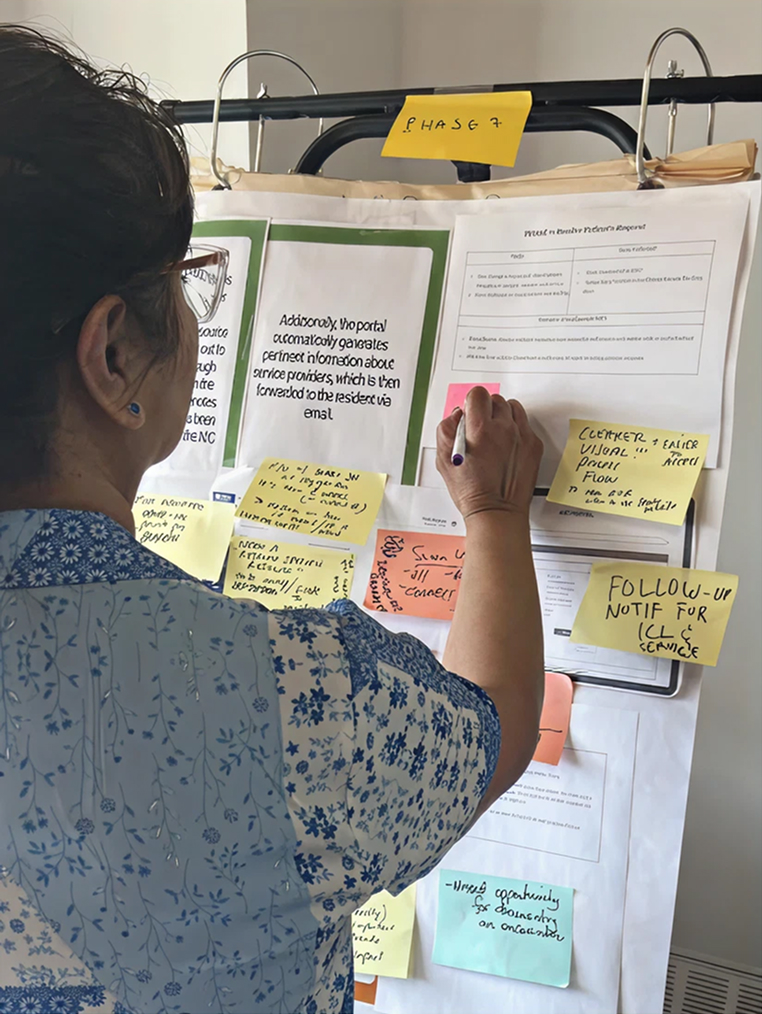
NORC Innovation Centre
At A Glance Canada’s aging population needs innovative care models like Naturally Occurring Retirement Communities (NORCs) to support aging in place. NORCs integrate health, social, and physical supports directly within high-density housing for older adults, reducing healthcare costs and enhancing care. Our project developed a digital employee portal to support frontline and backstage staff in […]
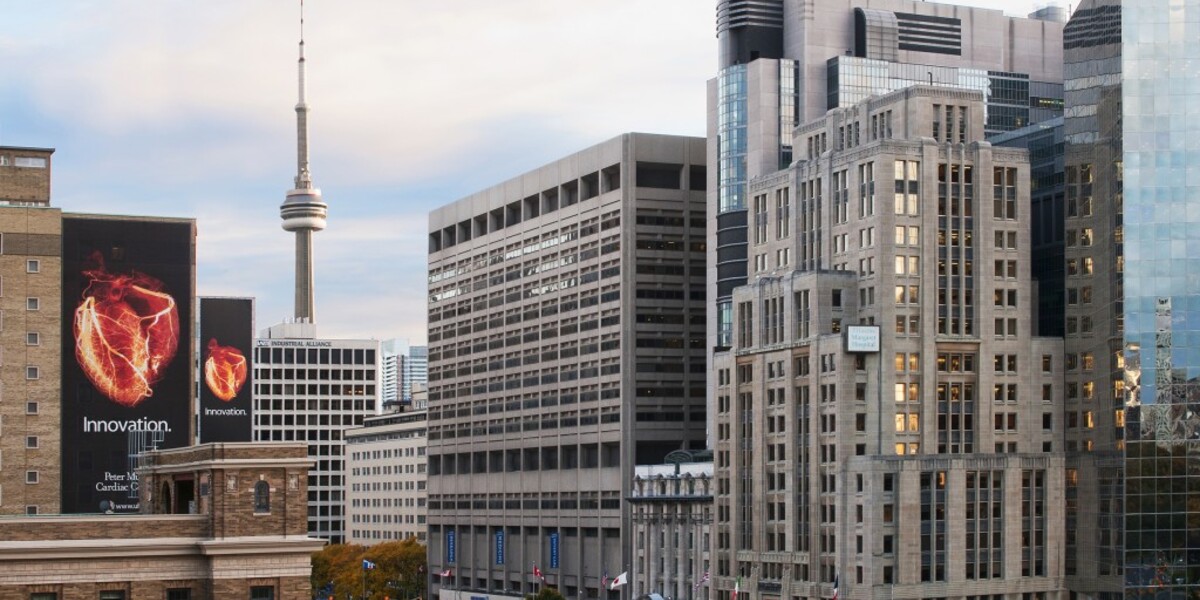
Cancer Digital Intelligence at Princess Margaret Hospital Remote Care and Monitoring Centre
At A Glance Canada’s aging population needs innovative care models like Naturally Occurring Retirement Communities (NORCs) to support aging in place. NORCs integrate health, social, and physical supports directly within high-density housing for older adults, reducing healthcare costs and enhancing care. Our project developed a digital employee portal to support frontline and backstage staff in […]